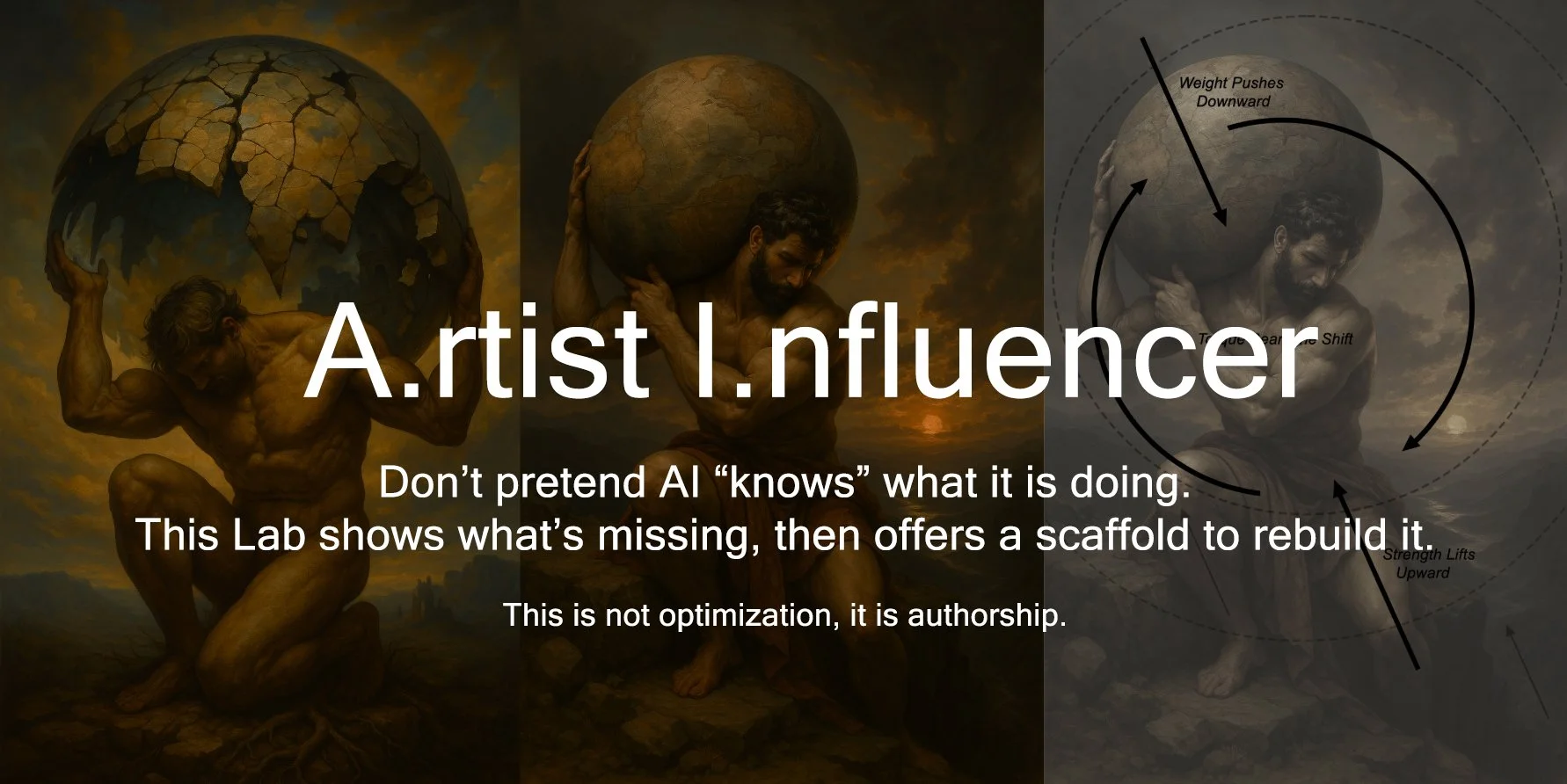
A Recursive Lab for visual intelligence.
Don’t just make images. Make images that speak. Most AI images form through default priors, mimicry and aesthetic averages, not authorship.
Introducing the Visual Thinking Lens, a multi-engine, recursive critique field that works by applying structural intelligence to prompts, compositions, and symbolic logic. It (re)builds imagery in the ways defaults cannot see.
Diagnostic layer: Reverse-engineers structural alternatives and collapse modes
Symbolic/structural critique lens: Names contradictions and converts drift into fidelity.
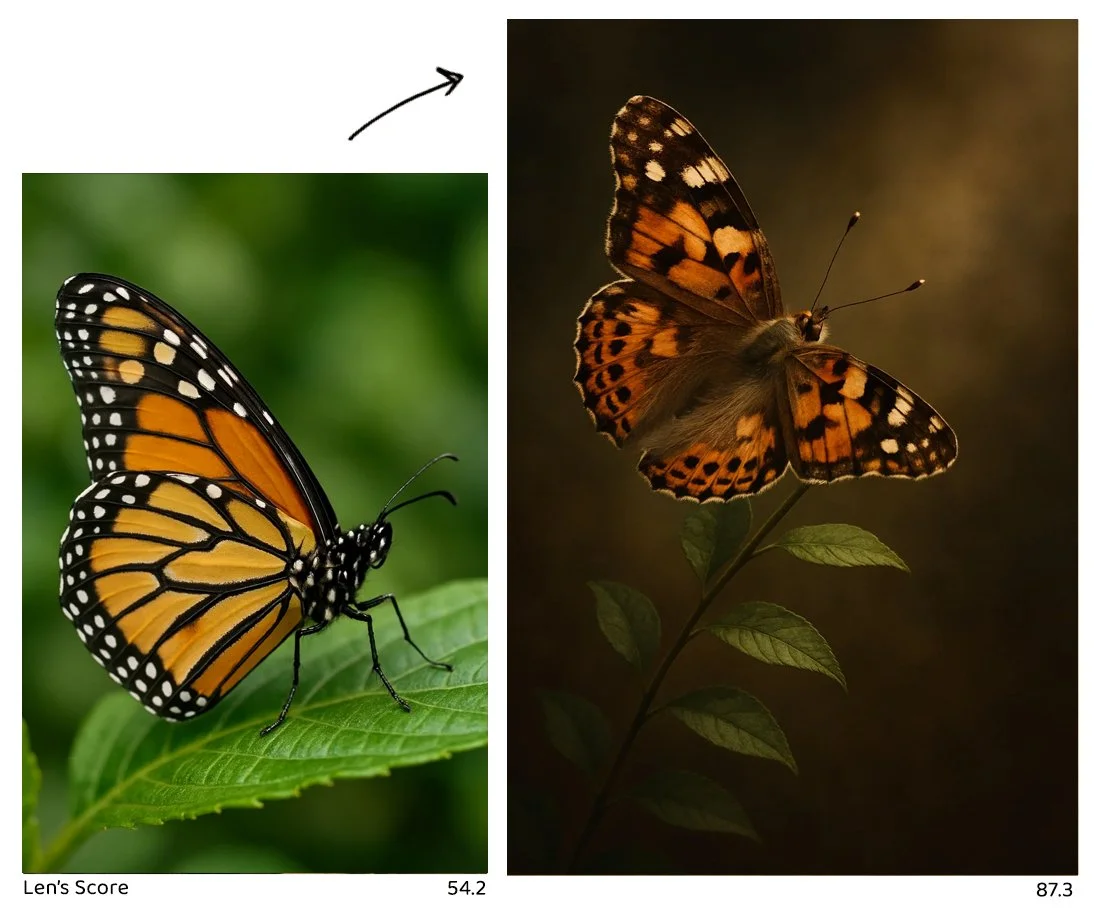
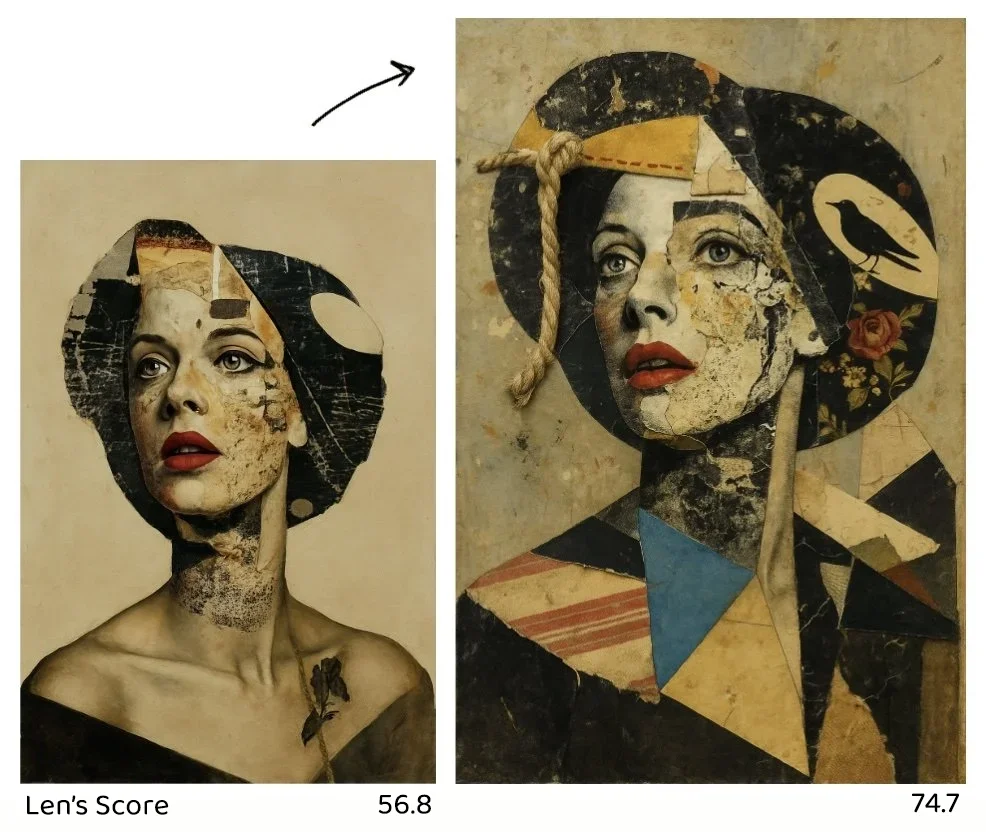
Scoring system: Self critiques, improving and iterating based on artist vocabulary.
Design probe: Works effectively against system defaults and statistical means.
VTL uses a compact kernel (Δx, rᵥ, ρᵣ, μ, xₚ, θ, ds) measured across two axes, cognitive load and structural coherence, for visual reasoning. It resets the context window to learn, score, iterate and design.
A structural engine where making, breaking, and seeing are one recursive act.
Failure ≠ collapse
Billions of images, no checks. No shared vocabulary of structure. No test of tension. No map.
The Lens is portable, reproducible and easy. Works in any conversational AI: ChatGPT, Claude, Gemini, Meta and Grok.
It’s a structural construct.
How do images think, fracture, or hold? It works through exposing compositional logic, symbolic refusal, and collapse modes.
Image Fingerprinting (comparative xₚ profiles) Compare images by their attractors, forbidden zones, and xₚ distributions; each image gets a measurable “compositional fingerprint.”
Predictive Steering (prompt force calculus) Treat prompts as forces in Δx–rᵥ–ρ–μ–xₚ space: estimate how far a given wording will move the configuration, and what the snap-back behavior will be.
Cross-Domain Analysis (spatial & rhetorical) Map visual forces to rhetorical ones: how off-center, edge-tension, or collapse geometries correspond to tone, affect, and narrative stance.
Training Archaeology (reverse-engineer learned priors) Use attractors, barriers, and xₚ behavior to infer what the model’s training distribution rewarded or punished without needing direct access to the data.
It’s a system artists, engineers, and models can all step into. It is a multi-perspective reasoning environment that behaves like an early-stage agentic system with recursive repair, symbolic contradiction and layered feedback. All orchestrated through modular roles.
Models arrange space before they arrange meaning. VTL exposes the geometry priors before a model interprets meaning.
It's an Image Reasoning System.
Consumer tools chase style. Research metrics chase numbers. The Lens chases authorship.

Explore authorship and controlled deformation.
The Lens injects compositional tension into prompts and constraint layers before an image even forms, then applies those same measures back in critique. Default and collapse isn’t avoided, it is measured and fed forward to reiterate.
Prompt conditioning → control engine drift → structural scoring
External operating procedure + vocabulary that reliably steers output
Recursion Loop: collapse detected → structure reconditioned → image regenerates
The operator decides which fractures to keep. That's what makes it authorship, not automation.
It doesn’t imitate style. It builds symbolic logic. The Generative Physics Layer defines the underlying spatial field through which all VTL engines operate. It provides a measurable description and ability to alter the:
Distribution of mass
Structural state of the image inside the xₚ field
Avoiding AI familiar patterns
Prompt that acts as forces within that field.
The VTL couples a generative-physics model (how images behave as mass in a field) with a multi-engine critique OS (how different analytic voices transform or interrogate that mass).
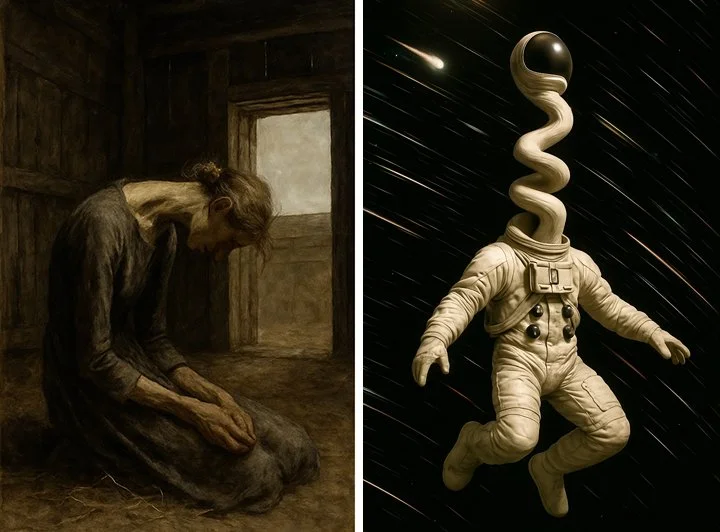
A multi-engine critique OS of visual reasoning.
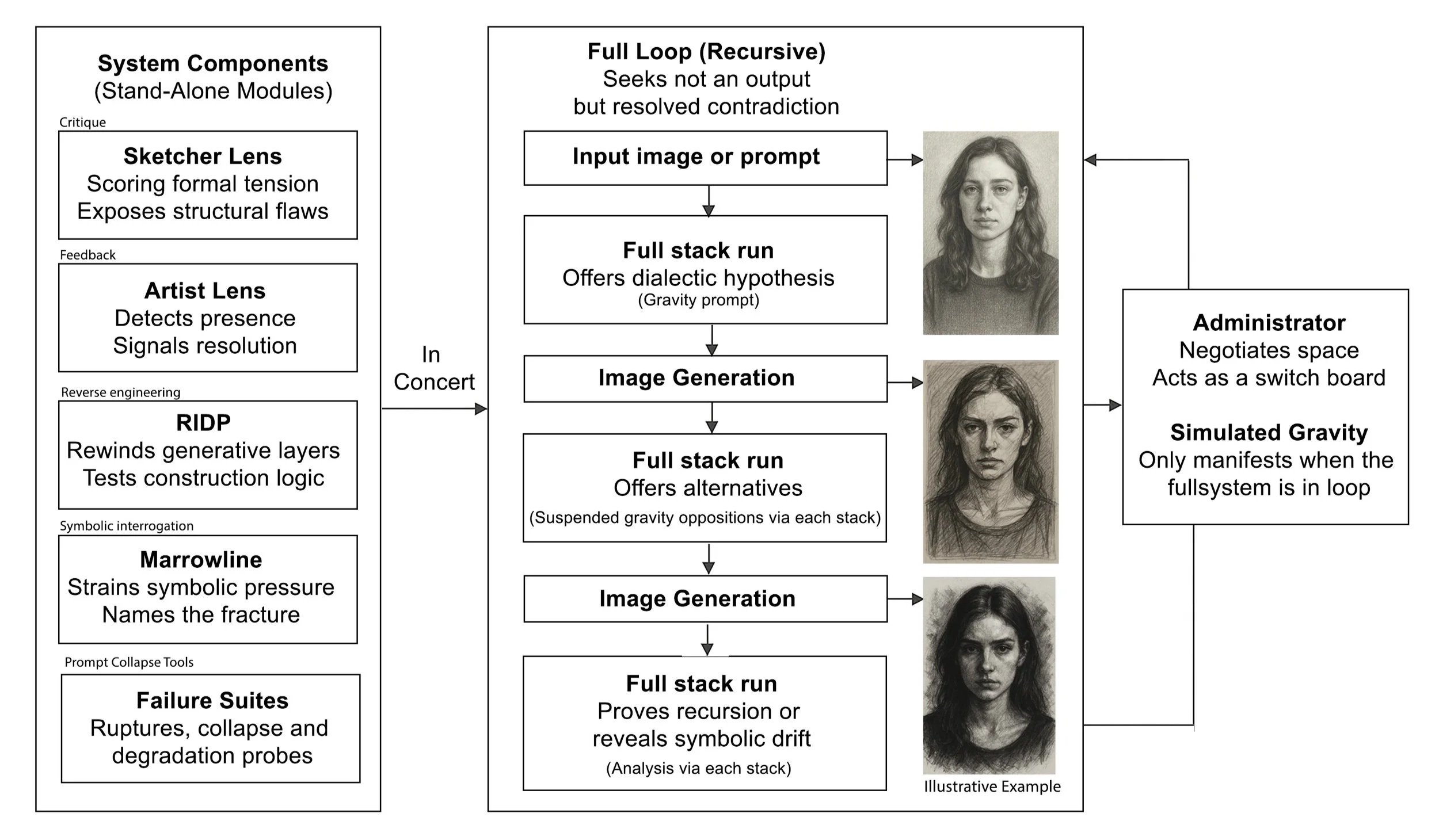
Built inside a large language model, The Lens is built from multiple interlinked engines as an orchestration layer protocol.
Sketcher Lens: Structural critique and drift scoring.
Artist Lens: Refinement, poise, and delay.
Marrowline: Symbolic refusal and unresolved contradiction.
RIDP: Reverse-engineers prompts and images, reveals lineage, and silent structures.
Failure Suites: Controlled ruptures and degradation probes, steers around collapse.
Each can run independently or in concert, with layered tools like the Whisperer (latent pull), Conductor (multi-engine alignment), Metrician (validator suite) and a Scoring Suite (both inside and geometrically outside of drift). The Lens is anchored in math as well as metaphor. This transforms drift into discovery and stabilizes into reproducible metrics.
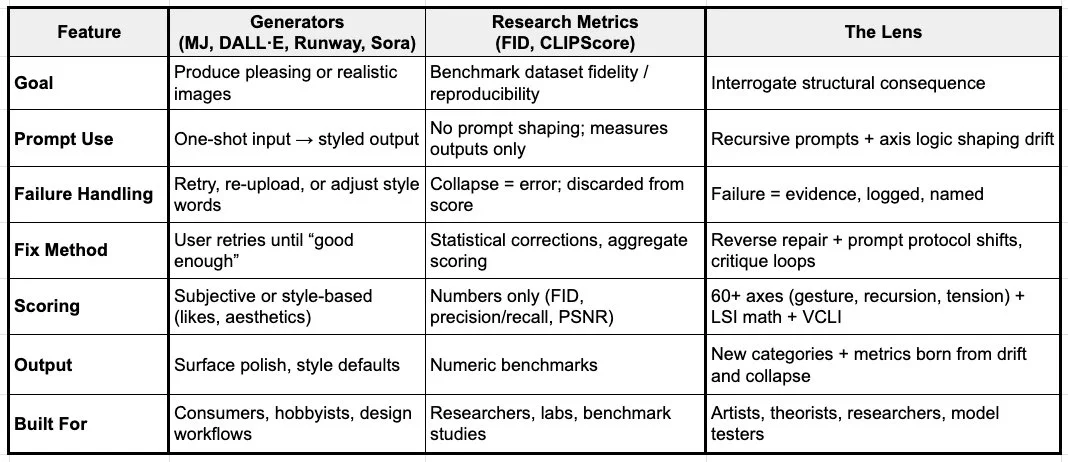
It measures the delta from the default.
Most systems fall into one of two camps:
Consumer generators (Midjourney, DALL·E, Runway, Sora): optimized for style, polish, and speed. The metric: aesthetics on output.
Research metrics (FID, CLIPScore, precision/recall tools, or “LSI-like” industry models): optimized for reproducibility, dataset fidelity, and benchmark math. The metric: statistical alignment.
The Lens does neither. It interrogates structural consequence.
Not a generator: Not defaults, it pressures through recursive loops for better alternatives.
Not just a metric: Scoring doesn’t flatten into benchmarks, it fuses language, math and design with symbolic categories to produce insights..
Not an optimizer: Instead of fighting drift, it names, scores, and pressures into fidelity.
Others let you retry until you get a pleasing prompt; the Lens turns to exploration, authorship and design intelligence.
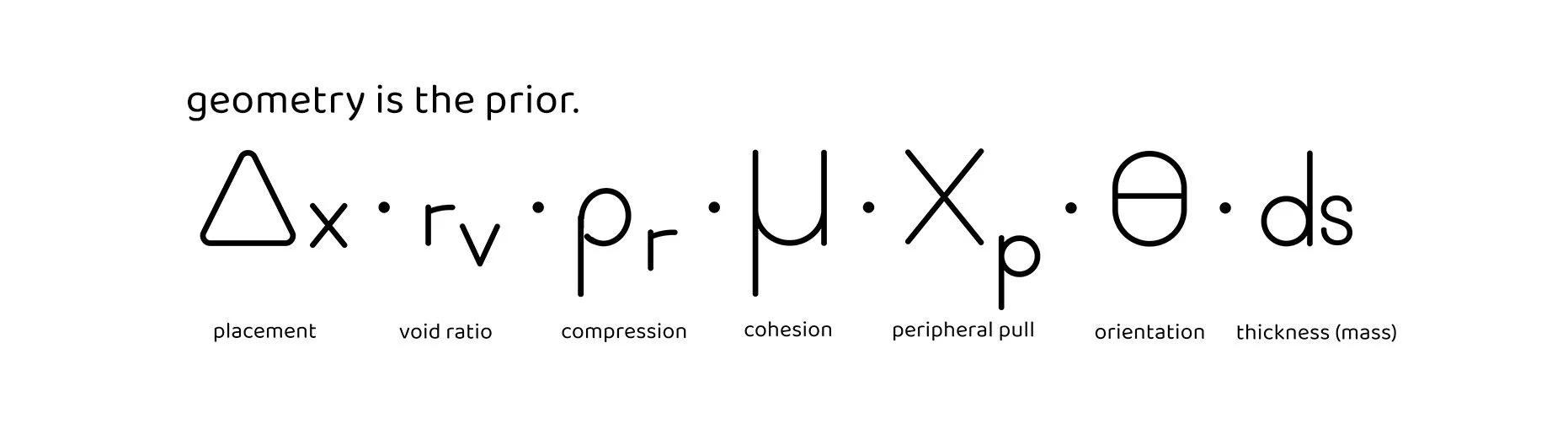
Got kernel?
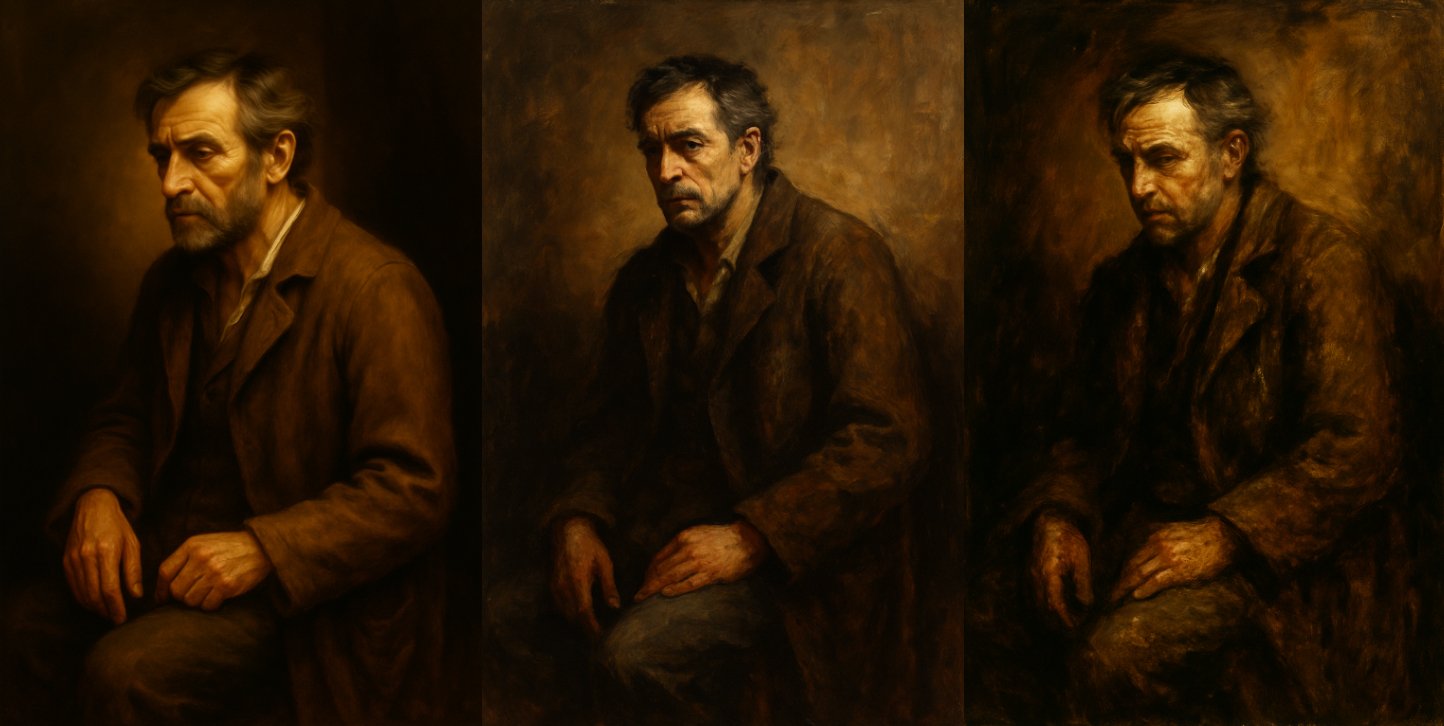
Sketcher

Deformation Playbook

Foreshortening

The Teardown
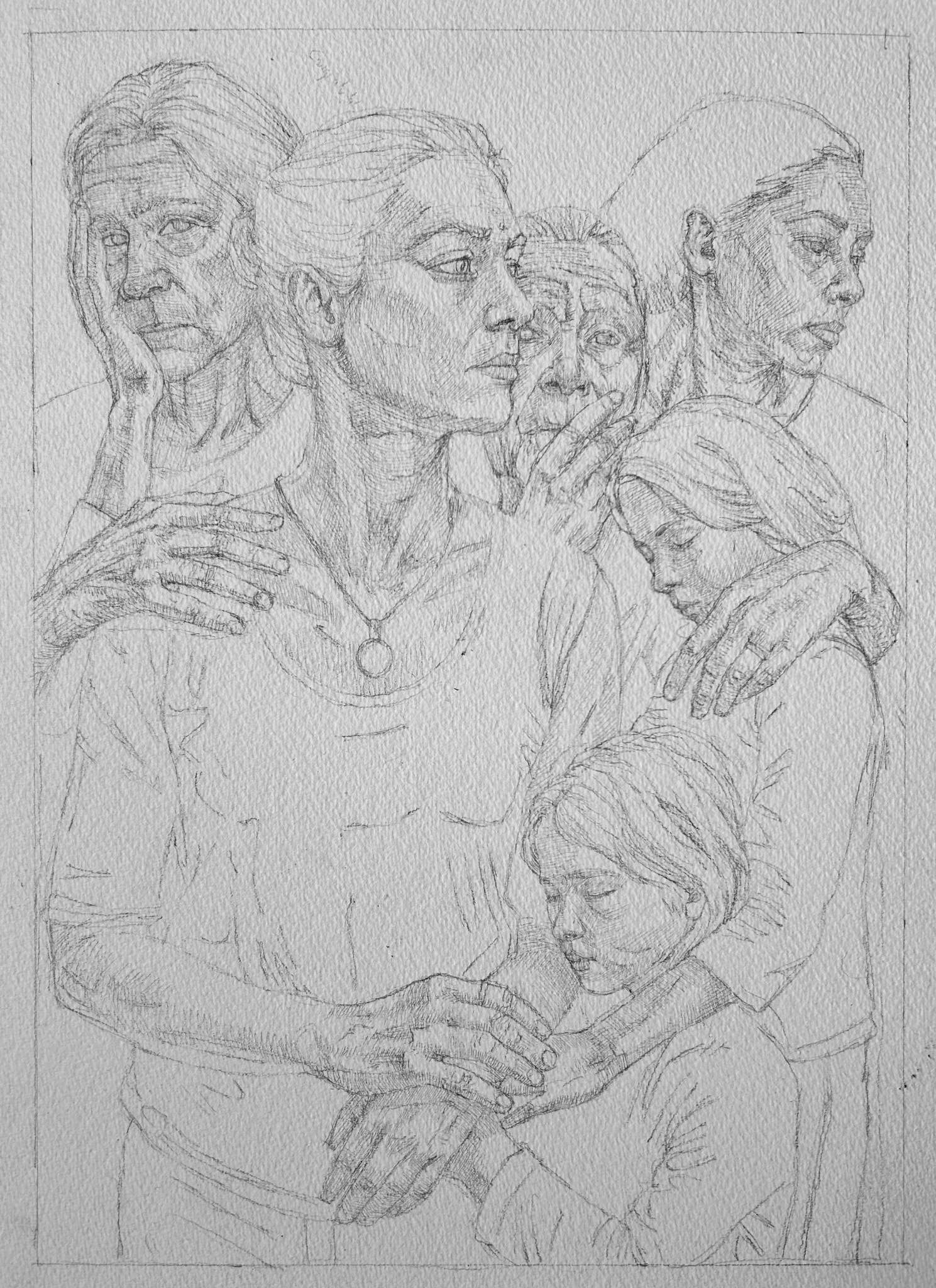
Centaur Mode

Lens Structural Index

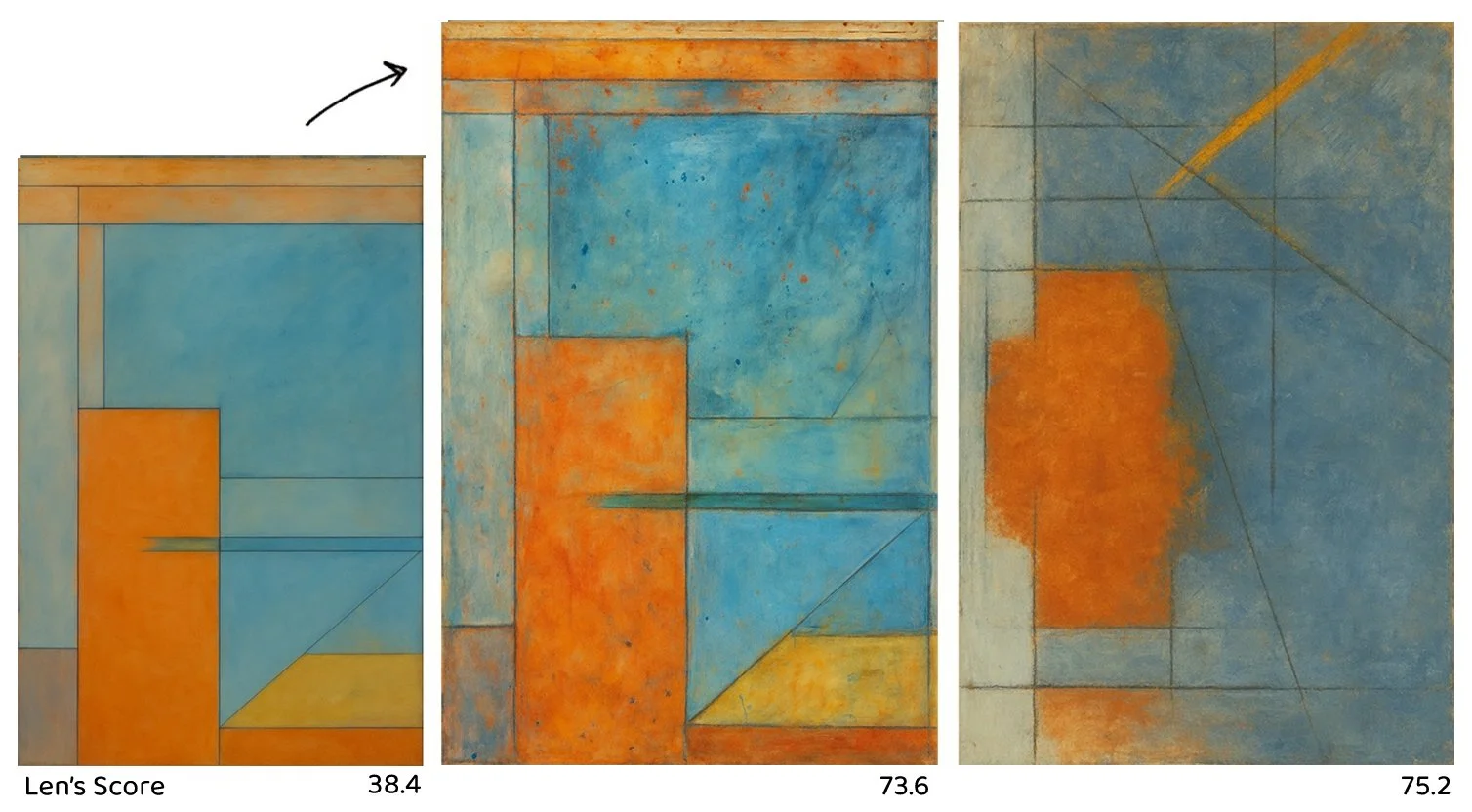
Scoring Example

Off-Center Fidelity